
Organic Farming, Composting & Ayurvedic Cultivation
Organic Farming, Composting & Ayurvedic Cultivation
Indian farmers have been practicing organic and natural farming
for
millennia. However during last few decades excessive use of chemical fertilizers
and
pesticides along with 'Modern' farming methods with mono
culture crops, have
substantially altered these age old
practices. The organic content in the soil has diminished to
astoundingly low levels.
The good news is that there are several techniques which
can restore
organic content in the farm soil, use of natural organic pesticides which is
biodegradable, use of native seeds, growing symbiotic plants which
improve yield…etc
We conduct camps where experts provide hands on
practical
knowledge for
the benefit of farmers.
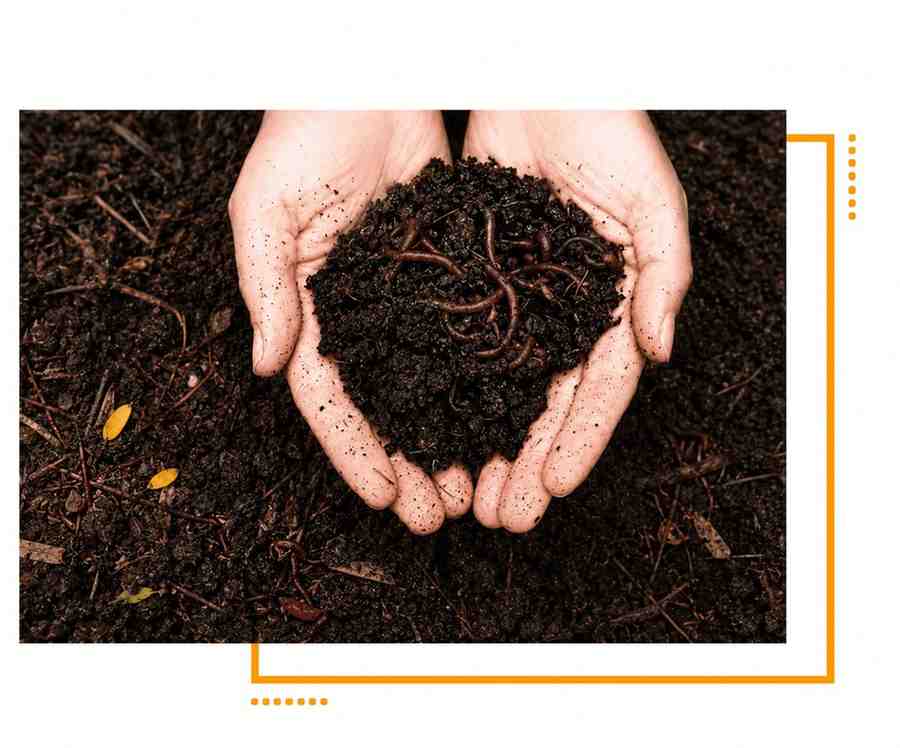

Various Composting techniques, Bio enzymes, vermicomposting
Simultaneously growing multiple crops
Promote and preserve native seeds
Drip irrigation, Hydroponics, vertical farming
Use of small power implements for increased productivity
Ayurvedic plantations: with help from Ministry of Ayush & Local Agriculture Universities.
Soil Health Benefits
- Improves Soil Structure: Compost adds organic matter, enhancing soil water retention, aeration, and overall soil quality.
- Enhances Nutrient Availability: Compost provides essential nutrients that encourage healthy plant growth and reduces the need for chemical fertilizers.
- Supports Beneficial Microorganisms: Compost promotes a healthy ecosystem of microorganisms that break down organic matter and help protect plants from diseases.
Economic Benefits
- Reduces Waste Management Costs: Composting reduces waste management expenses by diverting organic waste from landfills and minimizing the need for expensive fertilizers.
- Creates Jobs: Composting initiatives create employment opportunities in waste management, agriculture, and environmental conservation.
- Promotes Sustainable Agriculture: Composting supports sustainable farming practices, enhances crop yields, and reduces the environmental impact of agriculture.
Environmental Benefits
- Reduces Waste: Composting helps divert organic waste from landfills, reducing greenhouse gas emissions and minimizing the environmental impact of waste disposal.
- Conserves Resources: Compost creates nutrient-rich soil amendments, reduces dependency on synthetic fertilizers, and promotes sustainable agriculture practices.
- Mitigates Climate Change: Composting helps store carbon in the soil, reducing atmospheric CO₂ levels and supporting climate change mitigation.